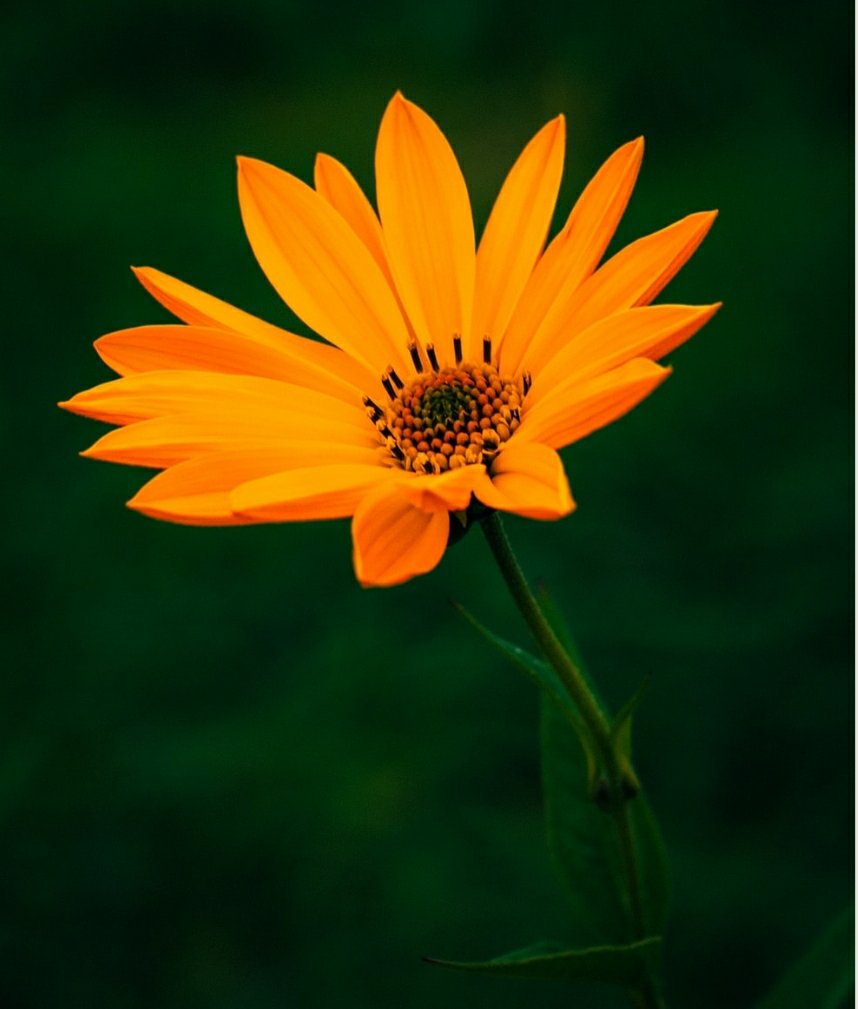



From White to Brown: What Hares Taught Me About Nature and Genes
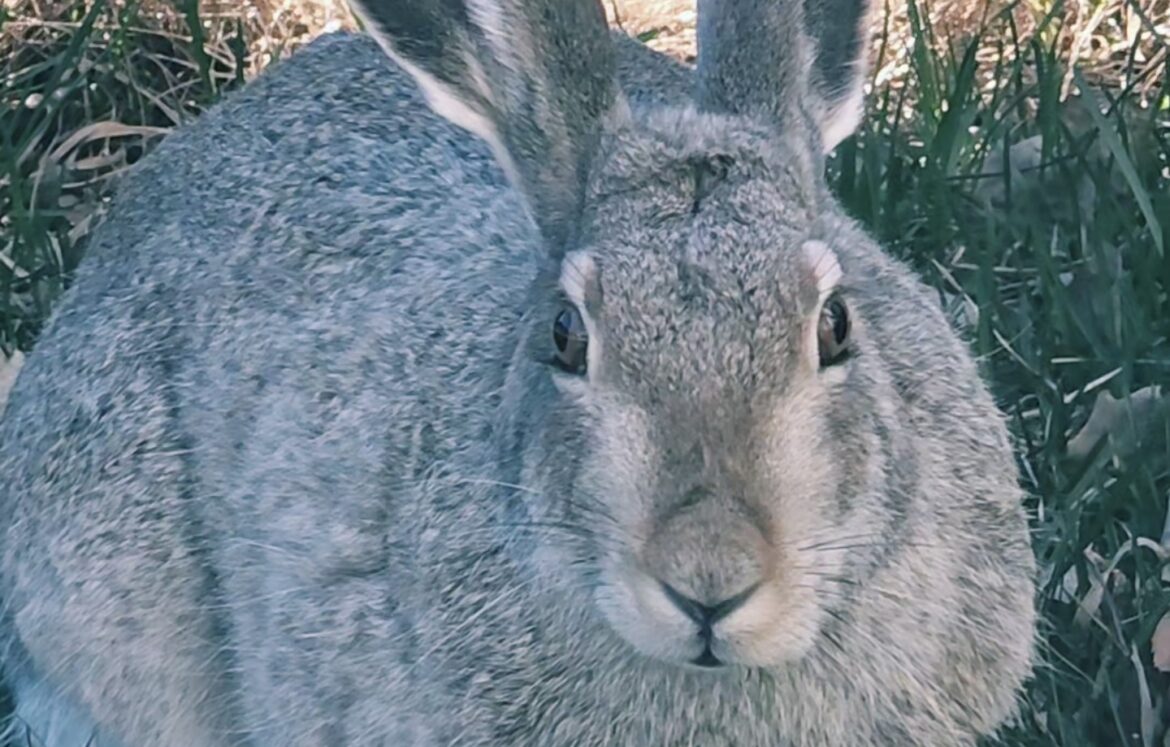
For years, I have watched hares wander through our backyard, becoming such familiar visitors that it felt as though we shared the same address. Through every season, I photographed and observed them, often noticing a curious pattern: white hares in winter and brown ones in summer.
I occasionally wondered why this happened, but during one seasonal transition, my curiosity deepened. Looking closely at a few hares in a nearby field, I noticed their coats were neither fully white nor fully brown but a blend of both. That raised an intriguing question: Were these the same animals changing color rather than different populations appearing each season?
A friend suggested camouflage, which made sense. Yet hares do not turn green in spring. This led me to think about genetics, environmental adaptation, and gene regulation. What signals tell a hare when to change color? Is it temperature, daylight, hormones, or something programmed into its DNA over generations?
The question became even more interesting when I remembered seeing white rabbits in West Africa, where snowy winters do not exist. If white fur helps northern hares blend into snow, why are some rabbits permanently white in tropical regions?
The answer appears to lie in the difference between natural adaptation and selective breeding. In species such as the snowshoe hare, changes in daylight trigger genetic pathways that alter coat color seasonally, helping them survive in changing environments. In contrast, many white rabbits in tropical regions owe their coloration to human selective breeding rather than environmental necessity.
What seems like a simple color change reveals a remarkable interaction between genes, environmental signals, hormones, and evolutionary history. Nature is far more sophisticated than it first appears.
Yet, regardless of how much science uncovers, creation still extends beyond the limits of human understanding. Behind the order, precision, and beauty of life remains a greater wisdom that will continue to outlive every generation and every human achievement. That is why we should not underestimate the power behind creation that lies beyond scientific measurement and explanation. Science helps us understand many of the mechanisms of life, but it does not fully account for the ultimate source of the intelligence, order, and purpose woven throughout creation.